
Iran’s Desperate Gamble: How the Regime’s Internal Chaos Could Lead to Collapse
Iran is at a tipping point.
From a diplomatic standoff in the Strait of Hormuz to internal struggles within the regime, the country is on the brink of collapse.
With the US Navy’s blockade squeezing Iran’s economy and regional influence, and global powers like China and Russia increasingly pushing for peace, the Iranian leadership is facing an unprecedented crisis.
What started as a geopolitical power struggle has now evolved into an internal battle, with three distinct factions within the regime vying for control.
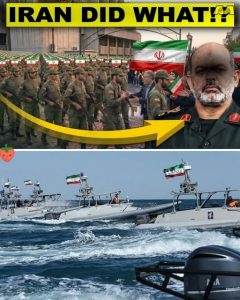
While President Peskian and Speaker Galibaf warm to US negotiations to save the country, the hardline IRGC, led by the radical Vahidi, wants to keep the war going.
With the collapse of Iran’s proxy networks and a national economy on the verge of ruin, the clock is ticking for Iran’s future.
Will the regime accept peace, or will internal divisions tear it apart?
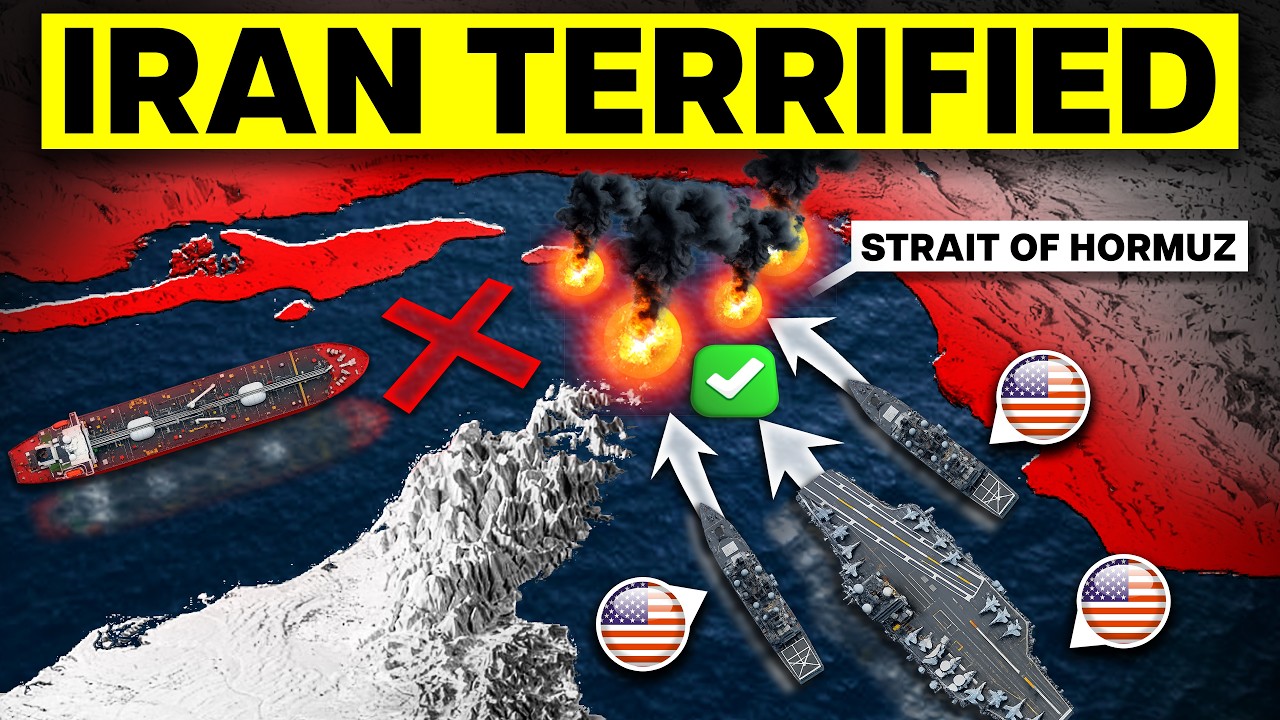
Since the onset of the conflict, the US has taken an increasingly assertive role, securing key waterways like the Strait of Hormuz and strangling Iran’s oil exports, costing the regime a staggering $500 million daily.
The geopolitical chess game is intensifying, with Iran’s key allies, China and Russia, now pressuring Tehran for a peaceful resolution.
Despite this, the Iranian regime remains fractured, with factions pulling in opposite directions.
President Peskian, a reformist leader, argues that continuing the war would lead to the country’s complete destruction, while the IRGC’s hardliners, led by Ahmad Vahidi, are pushing for an all-out war to preserve their military dominance.
The regime is locked in a struggle for survival, with no clear way out.
For years, Iran’s hardline factions, including the IRGC, have maintained a stranglehold on power, using the rhetoric of resistance against the West to justify their actions.
However, as the global pressure mounts and internal divisions intensify, even the most staunch supporters of the war are beginning to question the cost of continuing the conflict.
Peskian’s latest statements, where he openly warned that the regime’s continued pursuit of war would result in economic collapse, have struck a chord with the public.
Iran’s industrial zones, vital infrastructure, and currency have been ravaged by the ongoing conflict, and the people are beginning to demand a change.
Peskian’s message is clear: if Iran does not negotiate with the US, it risks complete economic ruin.
With the war damage standing at $270 billion, there is little left to salvage.
The Iranian real has collapsed, and inflation is spiraling out of control.
The country’s industrial and energy infrastructure has been severely hit, with key regions like Isfahan suffering massive setbacks.
As Peskian pointed out, if the truth about the war is not communicated to the people, the regime risks losing all legitimacy.
The Iranian public, already disillusioned with the government, has begun to openly express their desire for peace and economic relief.
This is the first time in years that a senior official within the regime has acknowledged the urgent need for change.
While Peskian’s calls for peace gain traction, the hardline factions, led by Vahidi, are doing everything in their power to prevent a ceasefire.
Vahidi, the newly appointed commander of the IRGC, has a long history of militant actions, including his role in bombings and assassinations in the 1980s.
His hardline stance on the war is motivated by the IRGC’s desire to maintain its influence in Iran’s military and political spheres.
If the war were to end, the IRGC’s power would diminish, and their control over Iran’s regional operations would weaken.
This, according to Vahidi, would undermine the very foundations of the regime.
The IRGC’s dominance is at the core of the regime’s power structure, and its radical elements are determined to keep the conflict going.
Vahidi’s position is clear: the IRGC must continue its military operations, even if it means pushing Iran into further isolation.
His view is in direct opposition to the reformist factions, who believe that peace is the only way to prevent the country’s total collapse.
This division within the regime is creating a dangerous situation, where the military leadership’s refusal to negotiate is pitting them against the very people they claim to protect.
The people of Iran, meanwhile, are fed up with the endless war and economic suffering.
In recent months, public protests have surged, with demonstrators demanding an end to the conflict and a return to stability.
According to independent polls, 63% of Iranians believe the war is being fought on behalf of the regime, not the people.
This growing resentment is putting additional pressure on the government to act.
However, the hardliners are not backing down.
They continue to use propaganda to promote the idea that the people support the war, even though the truth is far more complicated.
The geopolitical pressure is mounting as well.
While the US Navy has imposed a blockade on Iranian oil exports, China and Russia, Iran’s primary allies, are beginning to push for peace.
China, in particular, has been vocal in its support for keeping the Strait of Hormuz open for international trade, even going so far as to openly challenge Iran’s control over the waterway.
Russia, meanwhile, is concerned about the continued instability in the region, which threatens its own energy security.
Both nations have urged Iran to negotiate, signaling that they no longer support the regime’s hardline stance.
Yet despite the external pressure, the Iranian regime remains deeply divided.
The struggle between the reformists and the hardliners has created a fragile political landscape, one that is on the verge of collapse.
As the US continues to tighten the noose around Iran’s economy, the regime’s options are running out.
The people are demanding change, and even the hardliners know that the war cannot go on forever.
The question now is whether Iran’s leadership can put aside their differences and come to the negotiating table before it’s too late.
In the end, the outcome of this crisis will depend on whether the factions within the Iranian regime can find common ground.
If Peskian and Galibaf’s pro-peace stance gains momentum, it could lead to a shift in the country’s approach to the war.
However, if Vahidi and the IRGC maintain their grip on power, Iran will likely continue to spiral into further isolation and destruction.
The future of Iran, and the Middle East, hangs in the balance.
The regime’s fate will be determined not by foreign powers, but by the internal struggle for control and the will of the Iranian people.
FULL DETAILS BELOW👇
