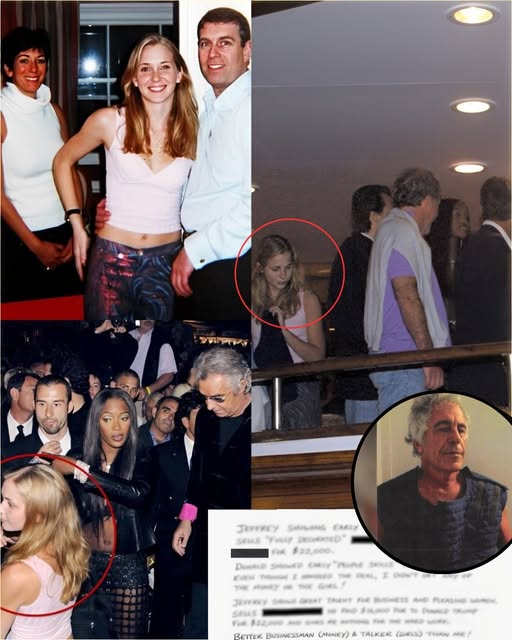
The excerpt suggests that the most profound forms of abuse are not merely physical, but psychological—a slow, methodical erosion of the self. The passage contains a line that has become a rallying cry for those who have felt the weight of unseen chains: “They didn’t just break me. They taught me how to destroy myself.”
The Architecture of Coercion
This is not a story of a single, violent event, but a chilling account of long-term conditioning. The author describes a process where resistance was not met with blunt force, but with a systematic rewriting of reality. “Step by step,” the text reveals, “I was turned into someone who would cooperate in my own destruction—not because I wanted to, but because I was made to believe I did.”
This distinction is what has struck a nerve with millions. It challenges the conventional, often binary, understanding of victimhood. It forces society to confront the uncomfortable truth that a person can be manipulated into participating in their own undoing, blurring the lines between consent and total psychological capture.
Why This Resonates Now
The viral nature of this excerpt speaks to a cultural shift. We are living in a time where the vocabulary of trauma—gaslighting, coercive control, and trauma bonding—has finally entered the mainstream. Readers are no longer satisfied with narratives that only focus on visible, external harm. They are increasingly attuned to the invisible, insidious ways power is exerted behind closed doors.
The excerpt doesn’t offer a theatrical, dramatic climax. Instead, it offers something more dangerous: the truth. It captures the ambiguity of a victim who, in the moment, could not name the cage they were living in until the bars had already become a part of their own identity.
The Burden of Witnessing
As the passage continues to circulate, it raises urgent questions about the nature of accountability. If a person is conditioned to destroy themselves, where does the responsibility lie? How do we hold perpetrators accountable for crimes that leave no physical scars but shatter the internal architecture of a human being?
The speed at which this text has spread suggests that many people are looking for a language to describe their own experiences—or the experiences of those they love. It is a testament to the power of first-person testimony; it does not ask for permission to be heard, it simply demands to be witnessed.
The Risk of the Digital Echo
However, the viral nature of this leak brings its own set of dangers. Without the full context of the memoir, the fragment remains a powerful but incomplete piece of a much larger, more complex puzzle. There is a risk that the story could be distorted by the very platforms that are currently amplifying it. Visibility, while necessary for justice, is not the same as protection or true understanding.
Ultimately, the numbers may fade, but the question posed by the text remains: how many stories are currently being silenced by the very people who were taught to destroy themselves? This excerpt has disrupted the cycle of passive consumption, forcing a global audience to pause and look directly into the darkness of psychological manipulation. Whether this leads to a broader reckoning or fades into the background, the line remains: “They taught me how to destroy myself.” And for millions, that realization is only the beginning.
