
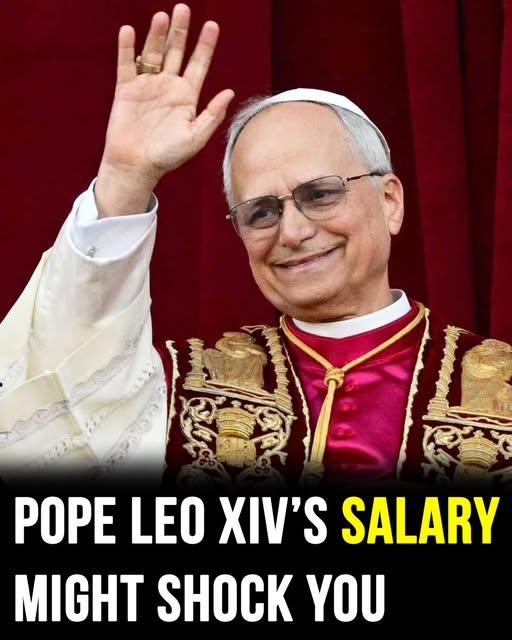
The assumption is natural in a world driven by corporate ladder-climbing and executive compensation packages. We are conditioned to believe that with great power comes great financial reward. Yet, the reality of the Papacy is a stark, almost jarring departure from the modern definition of success. The truth is that Pope Leo XIV does not receive a salary in the way a CEO or a world leader might. There are no direct deposits, no performance bonuses, and certainly no personal accumulation of wealth tied to his office.
To understand the Papacy is to understand a system built on total renunciation. When a man accepts the mantle of the Pope, he effectively steps out of the personal economy. The Vatican does not pay him a wage; instead, it assumes total responsibility for his existence. From the moment he takes office, his housing, his meals, his travel, and his security are provided by the Church. He is not a man of means, but a man of stewardship.
This arrangement is not merely a quirk of tradition; it is a profound moral statement. By removing the incentive of personal profit, the Church ensures that the Pope’s focus remains entirely on his spiritual mission rather than his financial portfolio. While the Vatican manages vast, historic assets—art, real estate, and global investments—these are not the Pope’s to spend or own. They are the heritage of the institution, held in trust for the global mission of the faith.
Pope Leo XIV is expected to carry this burden with the same humility that has defined his predecessors. In an era of rampant materialism, the image of a leader who owns nothing personally serves as a powerful, if quiet, subversion of modern values. He lives in the heart of one of the most opulent cities on earth, yet he does so as a guest of the institution, not as a master of its wealth.
Ultimately, the “salary” of the Pope is not found in a bank account. It is found in the weight of the responsibility he carries and the service he renders to the millions who look to him for guidance. It is a life stripped of the comforts of personal ownership, replaced by the relentless demands of a global spiritual calling. In the end, the most powerful man in the Church is, in worldly terms, a man who owns nothing at all—and perhaps that is the most radical position one can hold in the modern age.
