
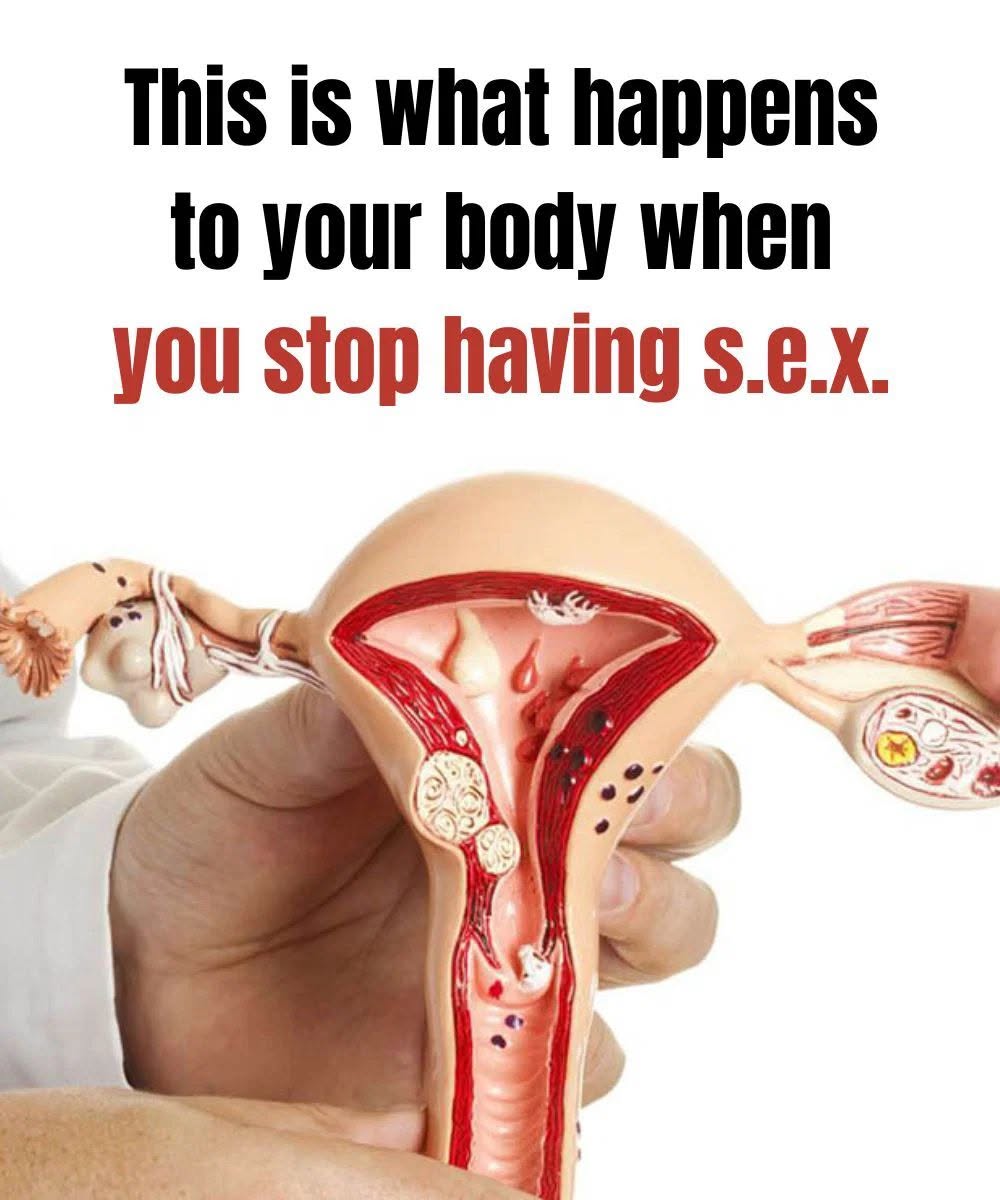
As people age, changes in intimacy often occur gradually, yet they remain one of the least discussed aspects of growing older. Many people assume intimacy is only about sexual activity, but it also includes affection, emotional closeness, touch, companionship, and feeling connected to another person. When those forms of connection begin to fade, the body and mind can experience noticeable changes that are often overlooked
One of the first areas affected is hormone regulation. Physical affection and emotional bonding encourage the release of hormones such as oxytocin, dopamine, and endorphins. These natural chemicals help promote happiness, reduce stress, and create feelings of comfort and security. When intimacy becomes less frequent, these hormones may be released less often, which can leave some individuals feeling more stressed, emotionally flat, or less connected to others.
Aging already brings significant hormonal changes. For women, menopause can affect libido, comfort, and overall sexual health. Men often experience a gradual decline in testosterone levels, which may influence energy, mood, and desire. While reduced intimacy is not the direct cause of these age-related changes, it can make their effects feel more noticeable by removing an important source of emotional and physical well-being.

The immune system may also be affected. Research has shown that affectionate physical contact—including hugging, cuddling, holding hands, and other forms of touch—can help lower stress levels. When physical closeness disappears, cortisol, commonly known as the stress hormone, may remain elevated for longer periods. High cortisol levels over time have been linked to increased inflammation and a weakened immune response, making the body more vulnerable to illness.
Sleep quality is another area that can suffer. Emotional closeness and physical affection often help people relax, promoting deeper and more restorative sleep. Older adults who experience a lack of touch or emotional connection may find it harder to fall asleep, stay asleep, or feel fully rested in the morning. Even small acts of affection can contribute to a greater sense of comfort and security at bedtime.
Physical discomfort may become more noticeable as well. Human touch has a calming effect on the nervous system and can help release muscle tension. Without regular comforting contact, some individuals report increased stiffness, headaches, or a general sense of bodily tension. While intimacy is not a substitute for medical treatment, it can play a supportive role in helping the body feel more relaxed and at ease.
The emotional impact can be even more significant. Intimacy often reinforces feelings of being valued, loved, and connected. When it fades, loneliness can become more common, even among people who are surrounded by family and friends. Loneliness is not simply about being alone—it is about lacking meaningful emotional connection.
Over time, the absence of intimacy may affect self-confidence and self-image. Some people begin to feel invisible, unwanted, or disconnected from their sense of identity. These feelings can contribute to anxiety, sadness, or emotional withdrawal. However, experiences vary from person to person. Some older adults feel content and fulfilled even as sexual activity becomes less important, especially when other forms of connection remain strong.

Emerging studies also suggest that emotional bonding and physical touch may support brain health. Intimacy stimulates areas of the brain associated with motivation, emotional regulation, and memory. While intimacy cannot prevent cognitive decline, maintaining meaningful relationships and social engagement may help support overall mental well-being as people age.
The important thing to remember is that intimacy does not have to mean sex. A warm hug, a meaningful conversation, shared routines, laughter, companionship, and simple acts of affection can be just as powerful. These connections help nurture emotional resilience, reduce stress, and strengthen overall quality of life.
Although intimacy often changes with age, it does not have to disappear. Maintaining meaningful connections—whether romantic, familial, or platonic—can continue to enrich both physical and emotional health, proving that the need for closeness remains an important part of life at every stage.
