
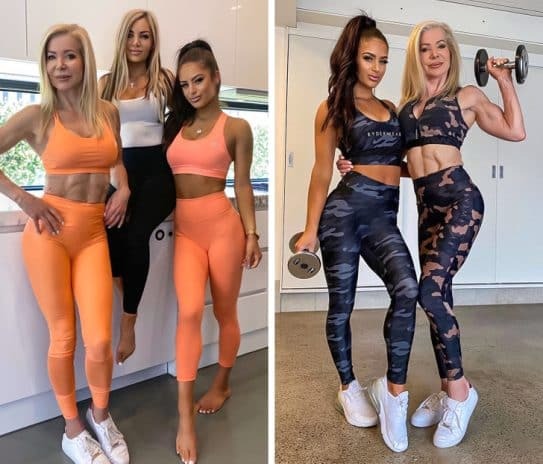
What makes her story especially appealing is that it is not built around a promise to “reverse aging.” Aging is a natural process, and scientists do not suggest that exercise can stop it. The more useful takeaway is that healthy habits may support strength, mobility, cardiovascular health, mental well-being, and independence as people grow older.
Why Strength Training Matters With Age
One of the central parts of Maxwell’s routine is strength training. That matters because muscle mass naturally tends to decline over time, which can affect balance, mobility, and everyday function.
Health organizations often recommend resistance exercises as part of a well-rounded routine, especially when combined with cardiovascular activity and flexibility work. Strength training may help support muscle function, bone health, and the ability to keep doing daily activities with confidence.
For anyone inspired by Maxwell’s example, the safest approach is to start realistically. A beginner does not need an intense routine to benefit from movement. Walking, light resistance exercises, mobility work, and gradually building consistency can all be useful starting points.
Fitness plans should also be personal. Age, medical history, current fitness level, and individual goals all matter. People with health concerns or those beginning exercise after a long break may benefit from speaking with a qualified healthcare professional or fitness trainer before starting a new program.
The Bigger Picture
Maxwell’s story also shows how fitness can become more than a solo activity. She has appeared in photos and videos with family members who share an interest in active living, a detail that many people find relatable and encouraging.
Support from family or friends can make healthy habits easier to maintain. Whether it is walking together, joining a class, preparing balanced meals, or simply encouraging one another, social connection can play an important role in long-term wellness.
Regular physical activity is also linked with benefits beyond appearance. Many people begin with physical goals but later notice improvements in confidence, mood, energy, and self-esteem. Those mental and emotional benefits are a major reason health professionals encourage people to stay active throughout life.
Maxwell’s example is not a one-size-fits-all blueprint. Her routine works for her, but the broader lesson is more flexible: healthy aging is less about trying to look younger and more about staying engaged, capable, and committed to personal well-being.
Her story continues to inspire because it turns a common assumption on its head. Fitness is not reserved for one age group, and meaningful change does not have to begin early to matter.
For readers thinking about their own health, the best first step may be simple: choose one habit that supports the life you want to keep living, then build from there.
