

A mother’s desperate plea for kindness became part of a heartbreaking search after her son vanished during a family trip to Japan.
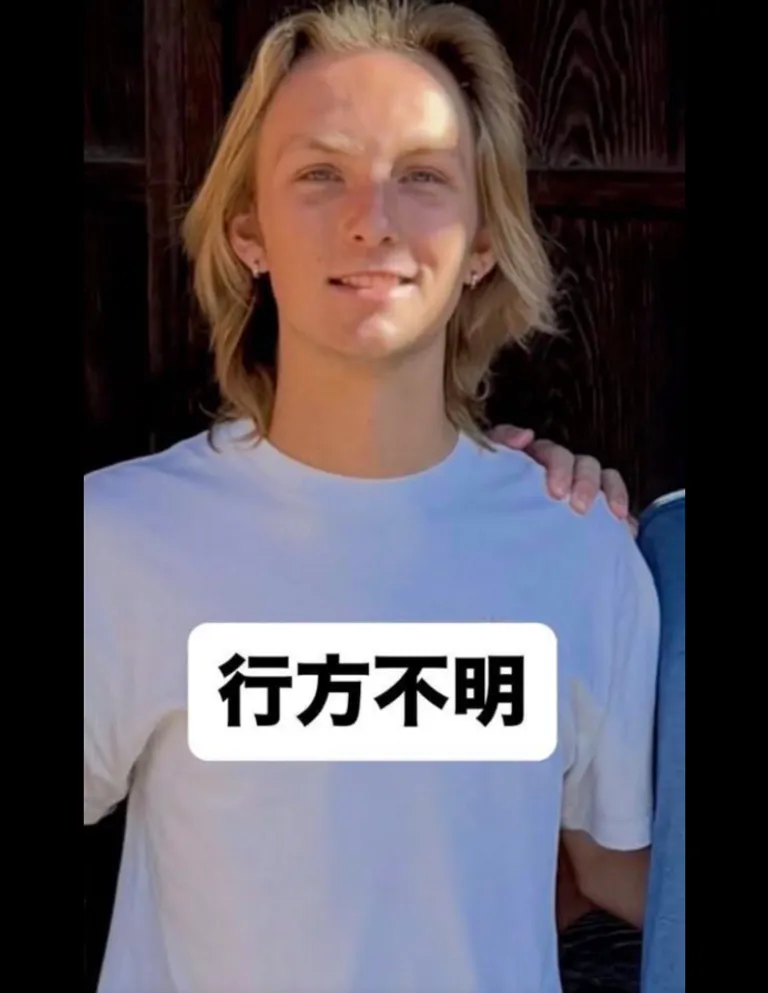
James “Weston” Higginbotham, an Auburn University student from Alabama, had traveled to Japan with his family on May 25. What began as a family adventure soon turned into a days-long international search involving police, volunteers, surveillance footage, phone data, and thousands of people sharing his story online.
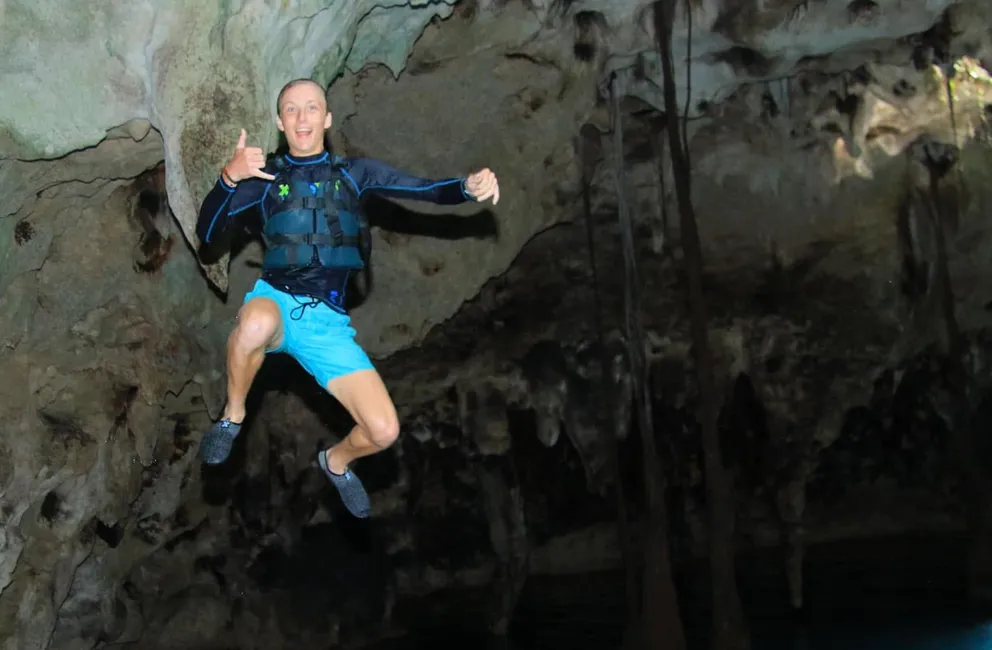
Weston’s mother, Nancy Higginbotham, described her son as an experienced traveler, a strong navigator, and a passionate nature lover studying environmental engineering. She said he cared deeply about sustainability, hiking, and the outdoors.
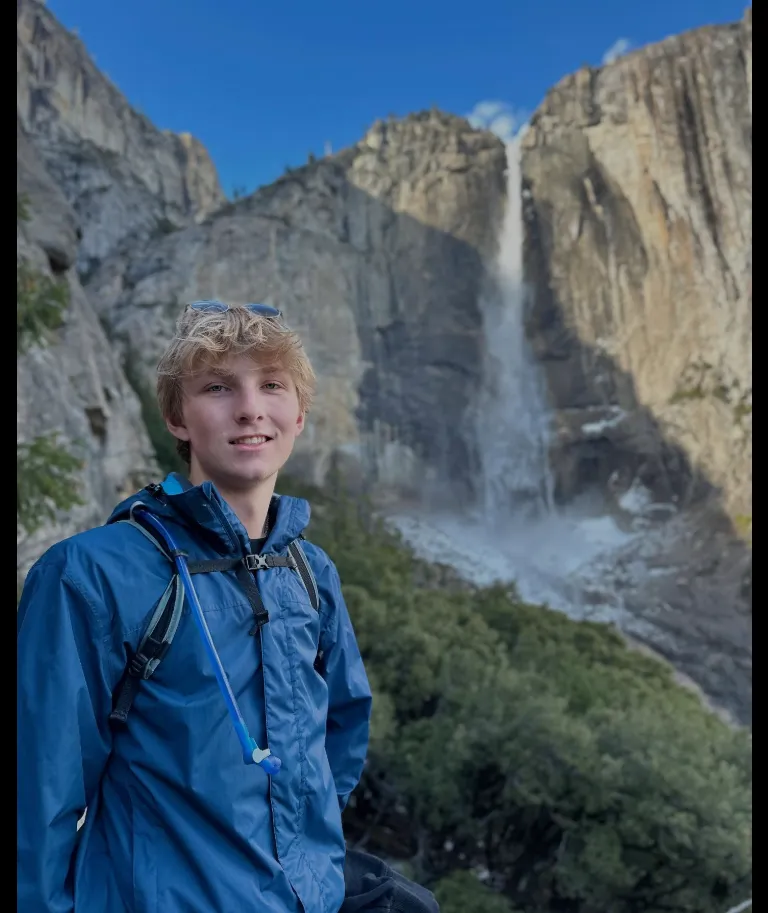
A Family Adventure Begins in Japan
The family’s trip took a devastating turn after a disagreement between Weston and his mother. Nancy later told NBC News that the two argued because she had been using ChatGPT to help navigate the trip and find restaurants. According to Nancy, Weston was strongly opposed to society’s growing dependence on artificial intelligence because of environmental concerns.
“We had an argument because I was using ChatGPT too much to try to help us navigate the trip and find the best restaurants and do this and that.”
Nancy called it a “dumb” argument and said her son became upset afterward, but she stressed that she did not believe he was a danger to himself or anyone else.

“He’s such a pacifist. When he gets mad, he just likes retreat to himself.”
Investigators later worked to piece together Weston’s final confirmed movements. He was last confirmed in the Kyoto area on May 29. Reports said his final known purchase was made at a Kohnan hardware store. He later arrived at Kyoto Station around 8:15 p.m., and his phone reportedly lost network service around 8:29 p.m.
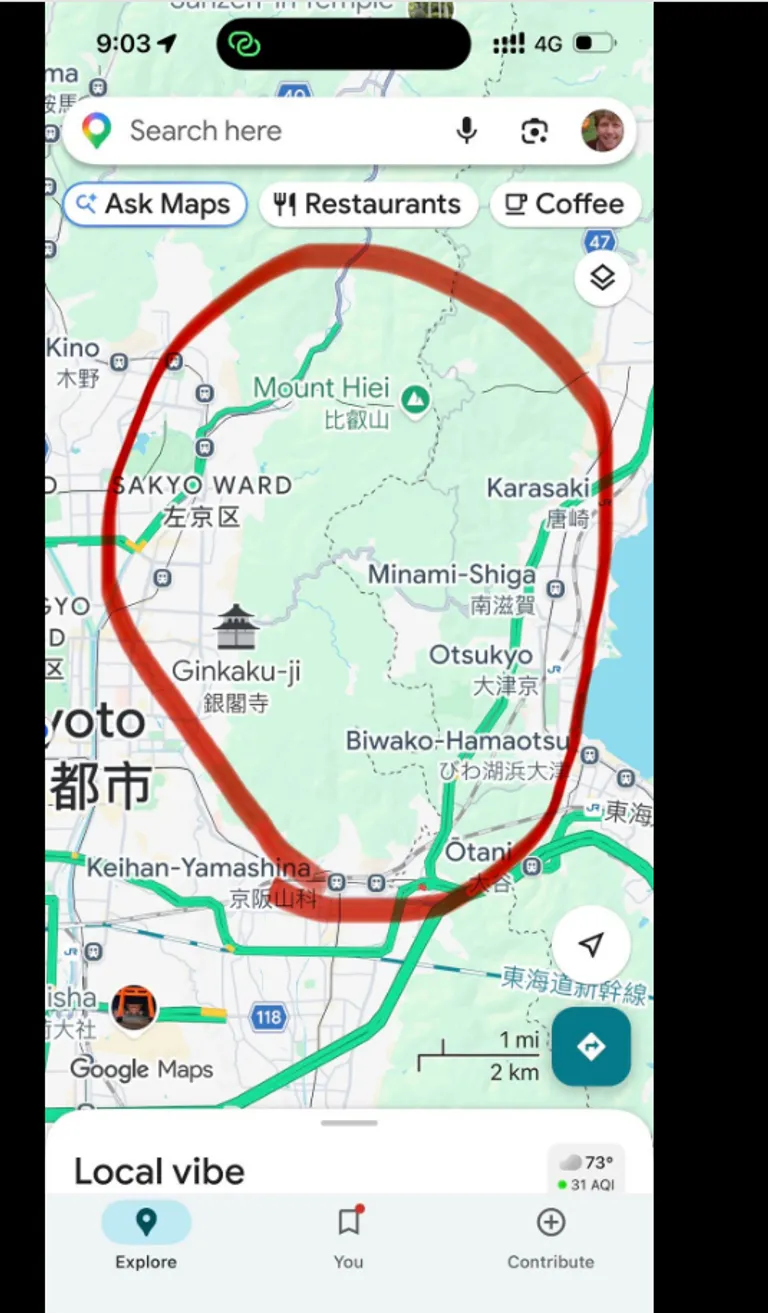
Evidence suggested he boarded a local train heading east, possibly on the Biwako Line or Kosei Line. Police later reviewed surveillance footage and narrowed the timeline, determining that Weston got off at Yamashina Station, east of central Kyoto.
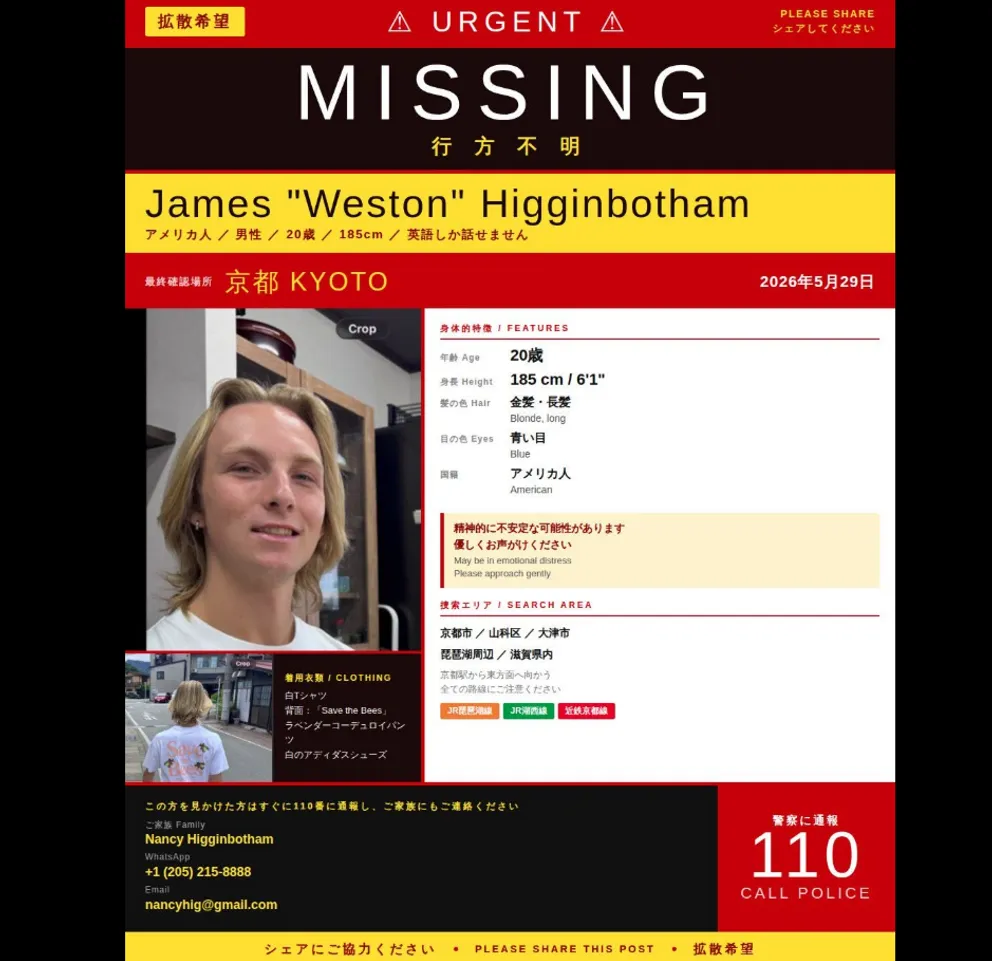
From there, attention shifted toward nearby mountain trails and wooded areas. His family believed Weston, an experienced hiker, may have gone toward nature-rich locations around Yamashina, including Bishamon-do, Lake Biwa Canal, Misasagi, Keage, Nanzen-ji, the Kyoto Trail, Mount Otowa, and the Daigo region.
As the search intensified, Nancy turned to social media for help. She urged locals to check hotels, hostels, internet cafés, train stations, convenience stores, parks, temples, shrines, rivers, bridges, and hiking areas.
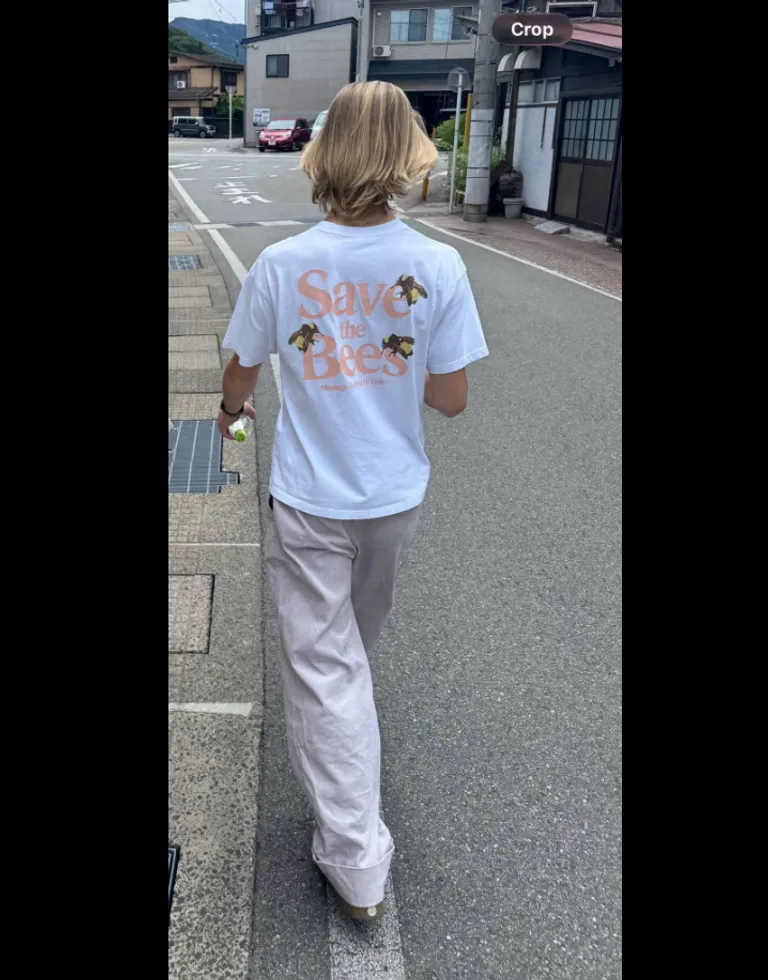
She also pleaded for compassion as online speculation grew.
“Please be kind. We are in our own living hell.”
Support poured in from across Japan, the United States, and beyond. Volunteers joined search efforts, while Japanese police, the FBI, the U.S. Embassy, and government officials assisted the family.
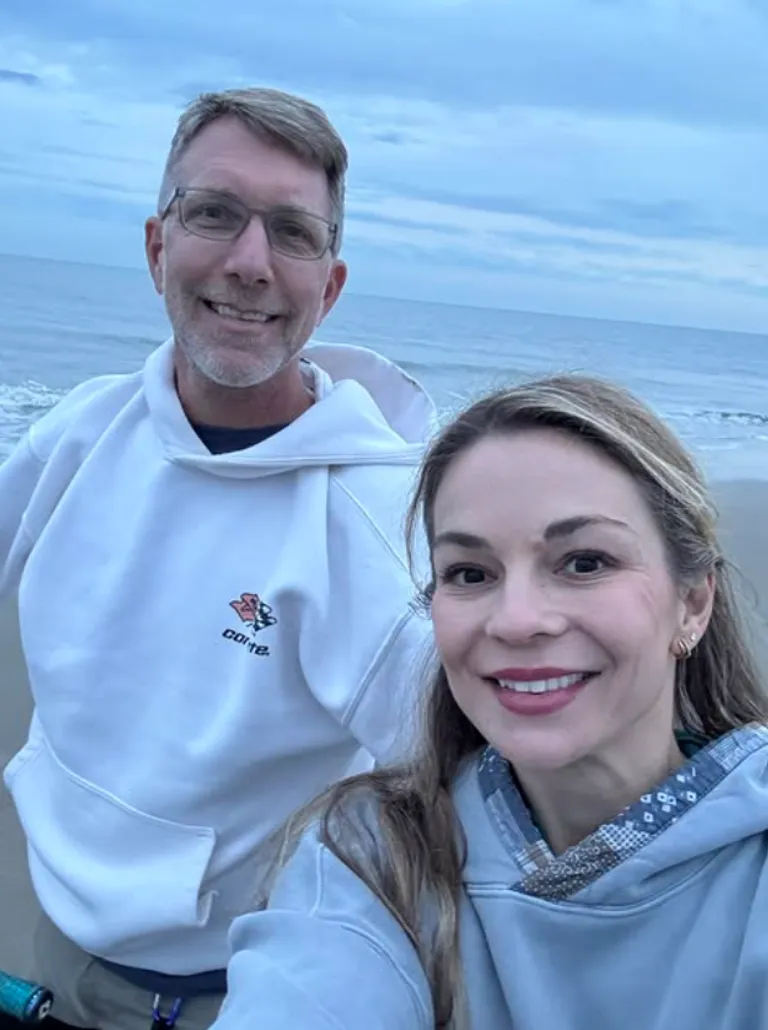
By June 3, officers were searching on foot while helicopters scanned mountainous areas north of Yamashina, especially around Bishamondo and Mount Otowa. Nancy described the day as unimaginably hard and said the search would continue because the area was so large.
New possible sightings later raised hope. On June 5, Nancy said investigators were reviewing additional CCTV footage after reports suggested Weston may have gotten off at another station near another hiking area. The family also received permission to organize a search party in Shiga Prefecture.
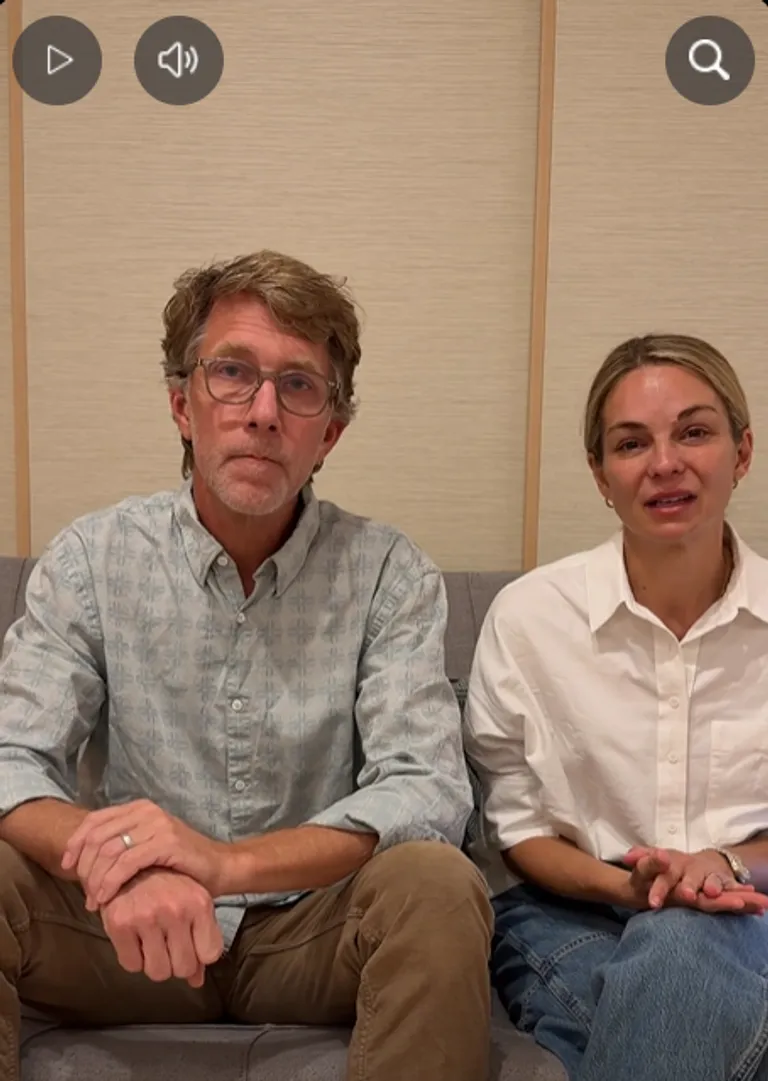
But every promising lead brought more uncertainty.
“We have chased so many leads that look very similar to Weston, but they aren’t.”
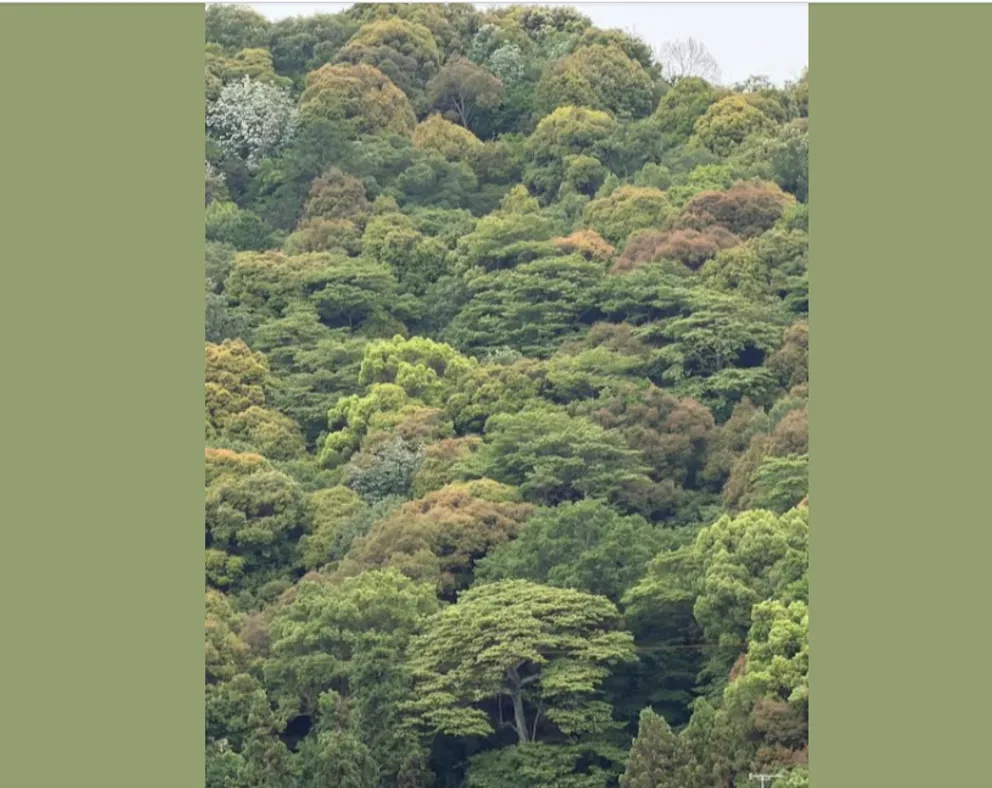
Nancy shared images of the dense woods where crews were searching, emphasizing how difficult the terrain was.
Then, on June 6, the family shared the update no one had wanted to hear.
Weston had been found deceased by a volunteer search-and-rescue group in a mountainous area outside Kyoto.
Nancy did not disclose further details about the circumstances of his death. Instead, she thanked everyone who had helped, prayed, shared posts, and supported the family during the search.
“We are deeply grateful to the countless people across the United States, Japan, and around the world who shared Weston’s story, prayed for our family, offered encouragement, and helped in the search efforts.”
She added that the family had shared Weston’s story in hopes of finding him and now needed privacy as they faced an unimaginable loss.
“We will always love you, Weston.”
In just over a week, Weston’s disappearance became more than a missing-person case. It became a global search driven by family love, public concern, volunteer efforts, and strangers hoping for a miracle.
His family’s grief is now private, but the effort to find him showed how quickly people across countries and communities can come together when one family is searching for someone they love.
