
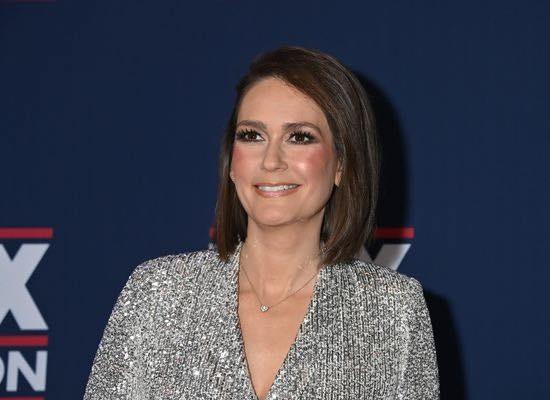
to escalate. The phrase, “a final nail in the coffin,” was intended as a common metaphor for a political setback, yet in a country still reeling from recent assassination attempts and a pervasive sense of instability, the public reaction was visceral. For those who viewed the comment as a threat, the context of the speaker—a prominent liberal voice on a conservative platform—only served to amplify the perceived malice behind the words.
The firestorm surrounding Tarlov’s remark highlights a sobering reality of modern media: the total collapse of nuance. In an era where every sentence is recorded, clipped, and instantly disseminated, the room for error has vanished. What might have been dismissed as standard political hyperbole a decade ago is now treated as a potential incitement. This incident serves as a mirror for a nation that has lost its ability to distinguish between a figure of speech and a genuine menace.
For Tarlov’s supporters, the backlash was a calculated effort by opponents to silence a dissenting voice. They argue that the outrage was manufactured by those hungry for a scandal, eager to paint a target on the back of someone who dares to challenge the status quo on a network known for its conservative leanings. They point to the ubiquity of the phrase in political discourse, suggesting that the sudden pearl-clutching was less about safety and more about political theater.
However, the intensity of the response cannot be ignored. It speaks to a deeper, more profound anxiety that has taken root in the American consciousness. When rhetoric is no longer just talk, but a trigger for fear, the stakes of every conversation on television are raised to a fever pitch. The controversy has become a proxy war over bias, safety, and the standards we expect from those who shape our public discourse.
Ultimately, the incident serves as a cautionary tale for both the media and the public. As viewers, we are increasingly primed to look for the worst in the words of those we disagree with, while the media machine is perfectly designed to capitalize on that outrage. Whether Tarlov’s words were a simple slip of the tongue or a deeper reflection of the toxicity in our national conversation, the fallout proves that we are living in a time where the line between metaphor and reality has blurred, leaving us all to navigate a landscape where every word carries the weight of a potential crisis.
